
For as many years as we have lived, there are far more stories. Some we tell. Some we don’t. Those we don’t, especially the ones that occur in a painful childhood, stay with us, settling in our cells. If we grew up hearing the covert/overt threat of don’t tell anyone, you will destroy the family and then we are carrying not only our pain, but the pain of everyone else involved.
Three months ago, I started another program. I am telling those painful, secret stories that have kept me stuck in my old decisions and vows; those decisions that keep me stuck. Sure, I make progress forward. However, it is me slogging forward while carrying trainloads of stories, pain, shame, guilt, embarrassment, blame, resentments, fear, unlovable and unworthy. I feel like a fraud when someone meets me because of those emotions and beliefs.
Research shows that being overweight and obese are connected to child sexual abuse (NOTE: this does not mean this is reflective of all people). As I processed one of my stories, I decided that would not be in a vulnerable position again, thus for me, weight gain. That was a result of an event occurring at age 14.
As I slowly gained more weight, especially during my middle age time, it became protection from being vulnerable and a way to keep people away from me. Twenty years ago, I decided to change my eating more and add walking and exercise. I let go of 40 pounds then something happened where I felt vulnerable and the weight went back on. Last year, I was doing well with exercise and eating. Then at work, my vulnerability was triggered and boom! Back it came. Finding comfort food. Shutting down. All ancient coping mechanisms. When some people believe that shaming is a way to get us to change our behaviors, it triggers vulnerability and can actually backfire. Most of us already have had shame piled on us and it is counterproductive and steals our joy.
The decisions and vows we make are attributed to experiencing events that create our stories. At three years old, while sharing that story, I figured out the decisions I made were to become invisible, modulate my crying and not ask for anything. As I delve further into the memories, I will be able to connect event to other decisions/vows I made and/or reinforced them.
For the many years I have held those stories in my mind and heart, also they were held in my cells and even my DNA structure. Do you remember the adage that we are as sick as our secrets? I believe there is truth in that. When we stuff down our emotional stories, it can show itself through physical responses. In further research, I am reading about chronic pain, Type II Diabetes, chemical dependency, some cancers, reproductive and gastrointestinal issues can be connected to child sexual abuse. [NOTE: again, not necessarily attributed for all people.]
As I continue divulging these stories, I am beginning to feel my stuffed emotions, to release them, name them, crying and grieving. This is one of the most difficult passages I am crossing. I have spent most of my life dissociating as my go-to coping strategy. What worked then to keep me alive really does not serve me now. It keeps me reliving history instead of fully stepping into the present and future.
The counselor is skilled in listening to stories, some of the brutal and destructive pain that happened to people she sees. One of the concerns I had was whether or not she would be showing “tells.” Tells are facial expressions which can be construed as judgments. The flinches, the look of disgust, uncomfortable looks. She did have a “tell” one time as I was relating a story, going into detail, when she clutched her chest. We have an agreement when I see that happen to ask her about it, to check the facts. She said it was how her heart hurt for me. It was the opportunity for me to go forward as I learned it was not a judgment or shame about me and my story. Finally, permission to release what I had been burdened to carry. Was what happened really that awful or did I minimize it so it wasn’t so overwhelming? Can I cry and grieve the losses without feeling shamed that I wasn’t tough enough to take it? Was I too weak?
As the stories are taped, I am asked to listen to what I related three of four times in the week and keep a records of my feelings score each time with the goal to bring down the emotion numbers. Once, I asked my husband if he would listen to one of the stories. I shared ten minutes of one. I could see he was visibly moved. I understand it can be difficult for someone who loves you to listen. It was a way to share an intimate deep part of myself. I think sharing it with him helped him to be a more supportive person while I am going through this. When I am grieving, he will ask what he can do. I appreciate this lot. He has seen me be tough and even stoic.
This showed my vulnerable side which is big step for me.
Years ago, some “professionals” suggested these were considered “false memories.” Was that something created to discredit our memories of what happened to us to let whoever was sexually abusing us off the hook? Blame the survivor? Confuse us? Who knows? Sometimes it can difficult to hear about someone who is abusive yet that is not another person’s experience with that person. I say it depends on what side of the front door they are on. They may not have the context and it is usually highly unlikely the abuse occurred out in the open with an audience. Our memories and stories are relevant as they can shape our beliefs about ourselves and the world around us.
When someone says it doesn’t have to make sense what happened, I am not one of those people who can let it go. (Some things I can.) However, when it comes to what happened to me, the roles others played and how it was interplayed out, it assists my healing process. When I learn what the lessons are, then the challenges weren’t for not. My experiences and what I learned can be helpful for me to have greater understanding and leading to compassion. Their pain was transferred to me.
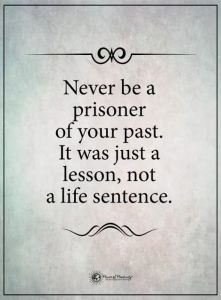
When I would talk about some stories, I heard that it just keeps me living in the past, I should forget them and live in the present. Even being offered medications so I can “numb” myself. When it comes to being sexually abused and the craziness, stuffing them is not always the best answer. Stuffing them can contribute to being ill. (It is important to work with someone who has skills in this area.) I am grateful for finding a place where I can finally say it out loud without repercussions from the family.
As I am processing each painful story, I can now see where I got that decision and historical coping skill from then learn a new option. I can also offer a bit of grace and eventually compassion to my parents even though it can be slow to emerge. Most importantly, I will be centering that grace and compassion for myself. Finding the facts and separating what was my part and what were the other participants helps me gain perspective. Instead of owning all the blame, I can reassess so I can finally be free and find that elusive joy.




 I've Got a Message LLC